To report SUSPECTED ADVERSE REACTIONS, contact argenx at 1-833-argx411 or FDA at 1-800-FDA-1088 or www.fda.gov/medwatch
Resource Library
To report SUSPECTED ADVERSE REACTIONS, contact argenx at 1-833-argx411 or FDA at 1-800-FDA-1088 or www.fda.gov/medwatch


To report SUSPECTED ADVERSE REACTIONS, contact argenx at 1-833-argx411 or FDA at 1-800-FDA-1088 or www.fda.gov/medwatch
To report SUSPECTED ADVERSE REACTIONS, contact argenx at 1-833-argx411 or FDA at 1-800-FDA-1088 or www.fda.gov/medwatch
Understand the real-world burden of MMN from the patient perspective
Based on the findings of the first global MMN QoL survey (N=211), MMN restricts daily activities and impacts emotional well-being and overall QoL:1,a


62% reported impacts on activities of daily living and household chores

75% reported exhaustion, 75% reported fatigue and 78% reported daytime drowsiness

27% reported difficulty walking and 42% reported difficulty climbing stairs

46% reported impacts on emotional well-being, including symptoms of depression, and 28% reported feelings of hopelessness

53% reported muscle weakness and 20% reported cramping

46% reported impacts on work activities

55% reported impacts on social life and activities
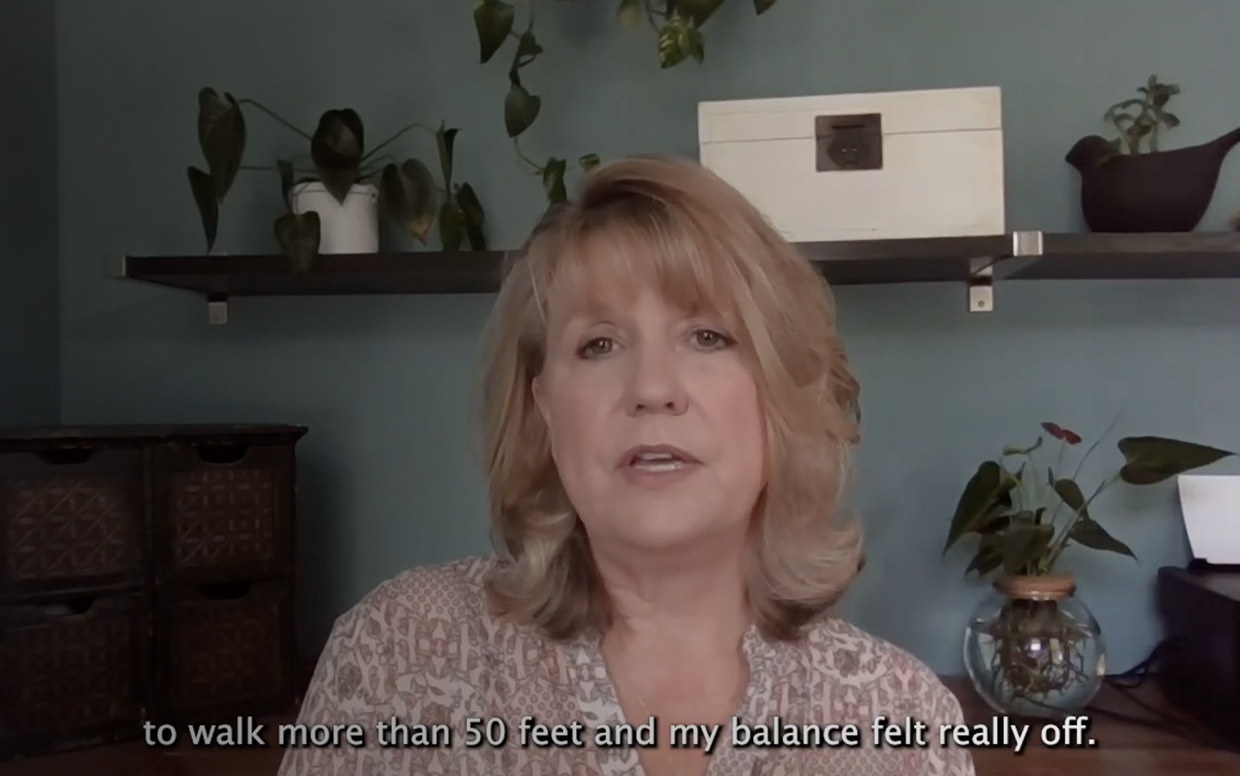
Watch Richard Sperry, a patient living with MMN, discuss his experience of the disease with Lisa Butler, CEO of the GBS/CIDP Foundation:

“Things like writing, shaving, typing, picking up a cup of coffee just became almost impossible”
“I’ve counted the number of neurologists [I’ve seen up to my MMN diagnosis], and I would probably say close to two dozen, close to 25”


“I would want neurologists…to really think about the whole individual…and think about them holistically, not just the medication and treatment”


Footnotes:
aCompleted by 211 individuals with MMN in 2016: 53% women, 89% white, >70% located in the United States.1
Abbreviations:
CIDP=chronic inflammatory demyelinating polyradiculoneuropathy; GBS=Guillain-Barré syndrome; MMN=multifocal motor neuropathy; QoL=quality of life.
References:
1. Katz J, et al. First global multifocal motor neuropathy (MMN) quality of life (QOL) patient survey identifies needs in education and treatment. May 23, 2024. Available at: www.neuropathyaction.org/downloads/MMN_article%209-26-2016.pdf. (Accessed: October 2025); 2. van Schaik IN, et al. Eur J Neurol. 2006;13(8):802–808. doi:10.1111/j.1468-1331.2006.01466.x; 3. Gable KL, et al. Burden of disease in multifocal motor neuropathy: A global quantitative survey of patients. Poster presented at the 2025 Peripheral Nerve Society (PNS) Annual Meeting; May 17–20, 2025; Edinburgh, UK; 4. Vlam L, et al. Nat Rev Neurol. 2011;8(1):48–58. doi:10.1038/nrneurol.2011.175; 5. Allen JA, et al. Mayo Clin Proc Innov Qual Outcomes. 2024;8(1):74–81. doi:10.1016/j.mayocpiqo.2023.12.002.

To report SUSPECTED ADVERSE REACTIONS, contact argenx at 1-833-argx411 or FDA at 1-800-FDA-1088 or www.fda.gov/medwatch
VYVGART is a registered trademark of argenx. VYVGART Hytrulo is a trademark of argenx.
© 2026 argenx MED-US-NON-2400036 v6 04/2026. All Rights Reserved.